The continuous increase in interference frequencies leads to new challenges for material systems used to guarantee effective EMC protection. The project partners were able to develop functionalised carbon fiber material systems with EMC properties that significantly exceed those of previously used materials.
The use of metal housings for EMC shielding provides satisfactory to good results for many areas of application. Carbon fiber-reinforced plastics, in which the conductivity of the carbon fibers is responsible for their EMC properties, are also routinely used for this purpose. However, these materials also reach their limits in some applications. This is due to so-called “resonance catastrophes” in which the EMC shielding attenuation drops significantly at certain frequency ranges.
Theoretical studies suggests that these interference effects can be eliminated by a combination of electrically conductive and absorbing materials. The Cetex Institut gGmbH has developed a corresponding material system in collaboration with IMG Electronic & Power Systems GmbH.
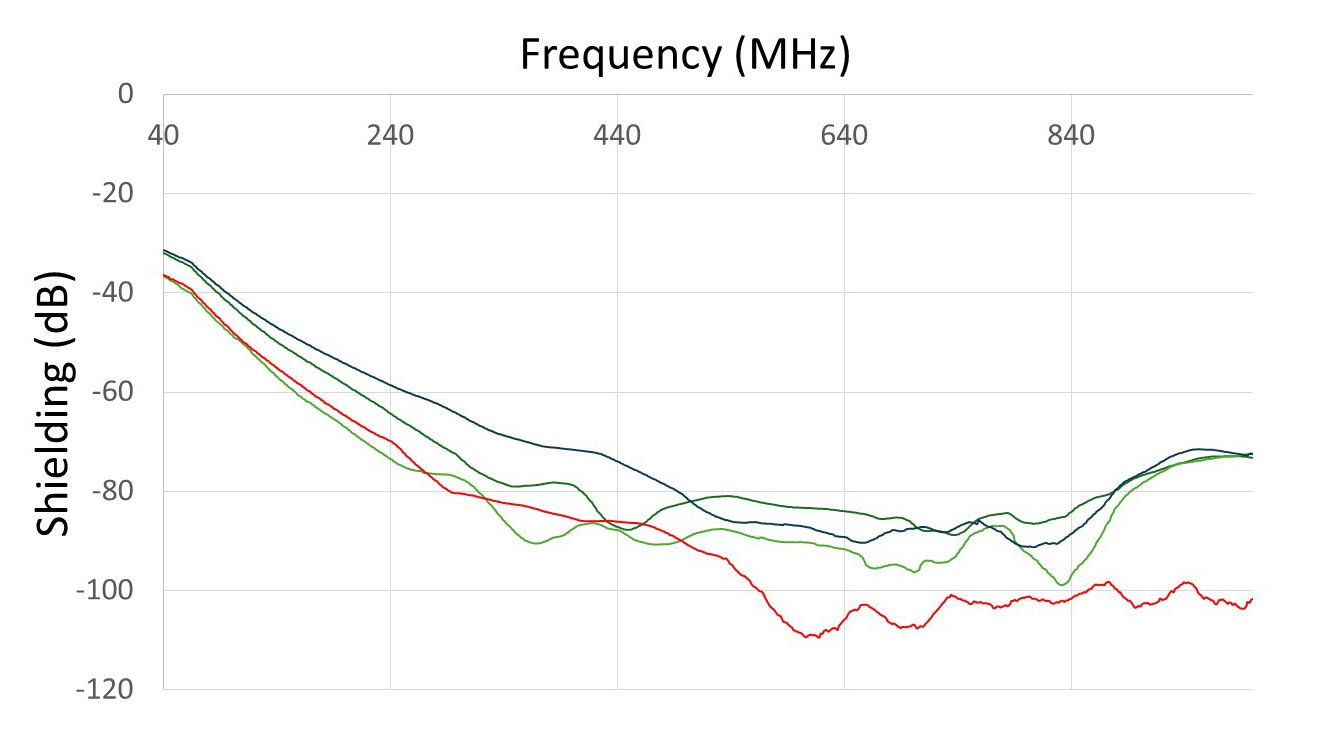
Fig. 1: ASTM measurement with shielding attenuation up to 110 dB (© Cetex)
Material development
Initially, conductive layers of carbon fiber reinforced PP and PA6 with 45 % FVC were produced using CF/polymer hybrid nonwovens in a wetlaid process. A good fiber distribution of the 3 – 6 mm carbon short fibers was achieved, which was examined and quantified using optical methods.
Out of these non-wovens consolidated semifinished products with a thickness of 0.1 – 2 mm were produced by compression moulding. Interestingly, these materials already revealed surprisingly good shielding attenuation values of up to 110 dB in the ASTM method (40 – 1000 MHz frequency range), which is usually only achieved by highly conductive metallic layers (fig. 1).
In a further step, ferrite powders were compounded into the polymer and the thus obtained magnetic granulate was also consolidated to semi-finished sheets by compression moulding. Using the library of conductive and magnetically modified plastic layers, multilayer materials could then be manufactured and component structures were produced from them by thermoforming (fig. 2). EMC measurements on these materials revealed that the resonance phenomena that usually occur when metallic or pure carbon fiber-based materials are applied can be reduced significantly using this novel material system.
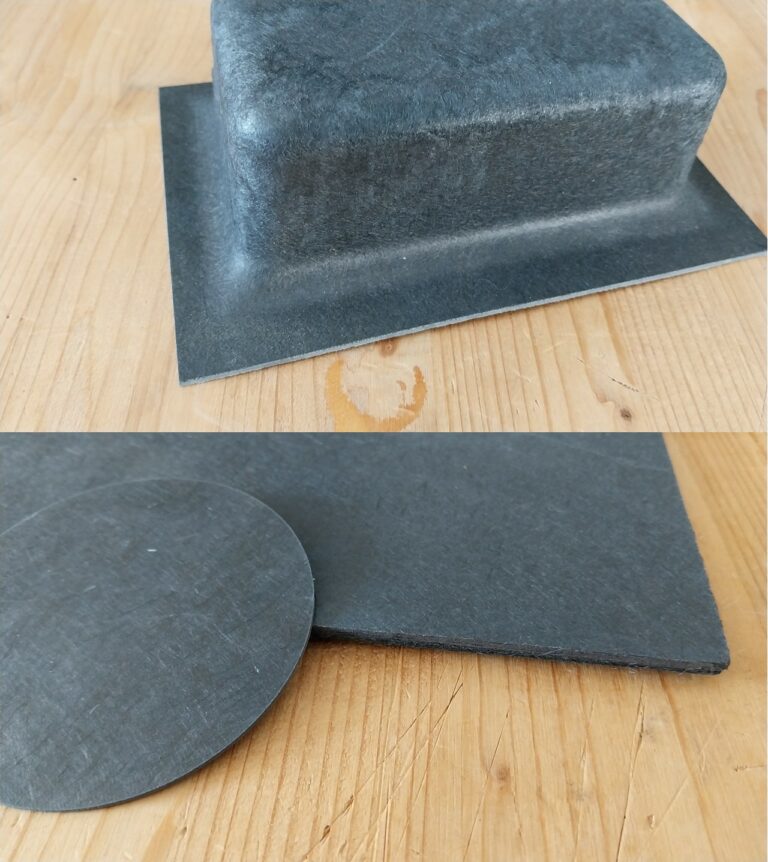
Fig. 2: Semi-finished sheet and shell materials with innovative shielding properties (© Cetex)
Outlook
With the described material production of a multi-layer composite material made of conductive carbon fibers and ferrites, a previously theoretically described effect was experimentally proven. The investigations focused directly on the practical application of these materials, as the material production was studied along the entire process chain.
The work resulted in component structures of a new type of material system with novel EMC properties. Several application areas – e. g. e-mobility, chemical plant technology, power electronics, industrial applications, communication technology, automotive, civil radar technology … – in a wide frequency range can benefit from these materials.
The project was funded by the BMWE on basis of a decision by the German Bundestag.
Project partners: IMG Electronic & Power Systems GmbH, Asglawo technofibre GmbH, Steinbeis ALP, PTS Institut für Fasern & Papier gGmbH.
Contact:
Cetex Institut gGmbH, Chemnitz
Dr. Erik Wächtler
Research and Development
Tel: +49 371 52 77-250
waechtler@cetex.de
www.cetex.de